Trump’s architecture?

…just hit the fan.
If you’re around my age—almost 50—you might remember an epic and hilarious SNL sketch called Mike’s Marbleopolis, where Mike, a marble column salesman, introduces us to his world. I remember cracking up the first time I saw it. As an architect, I found it a genius critique of taste, culture, and stereotypes.
Now, one of Trump’s new executive orders feels almost as comical:
PRESIDENTIAL ACTIONS: PROMOTING BEAUTIFUL FEDERAL CIVIC ARCHITECTURE
I wasn’t aware of this until I read a Substack post by Culture Critic. While the post outlines the executive order well, its comparison and analysis of modern architecture lack depth and key considerations.
My Thoughts:
First, it would be useful to read The Fountainhead. Not because I’m advocating for an egotistical philosophy or suggesting we all behave like Howard Roark, but because Roark’s arguments on modern versus classical architecture are relevant:
Howard Roark, the protagonist of The Fountainhead by Ayn Rand, vehemently opposes classical architecture because he sees it as a product of tradition, conformity, and imitation rather than original, individualistic creativity. His philosophy is rooted in modernism, emphasizing functionality, innovation, and integrity in architectural design. – ChatGPT
The Founders adopted classical styles because that was the dominant reference for institutional architecture at the time. Later, the Nazis co-opted elements of classical design for their own ideological purposes (see The Edifice Complex by Deyan Sudjic). However, the reason we moved toward modern architecture in government buildings was simple: innovation.
Returning to a pre-established identity—a fixed architectural standard, such as any classical style—stifles creativity. It eliminates difference, in the most Deleuzian sense (Difference and Repetition, Gilles Deleuze). If you kill the potential for creation, you kill the fundamental purpose of art, architecture, cinema, and music.
Renzo Piano once said that architecture is unique among the professions because, each time, you have the opportunity to create something different. This aligns completely with human nature.
Of course, some architecture from the Rationalist and International movements (a.k.a. modernism, minimalism) is uninspiring and hasn’t aged well. Some buildings don’t evoke “greatness.” But many do—especially in the work of modernism’s heirs.
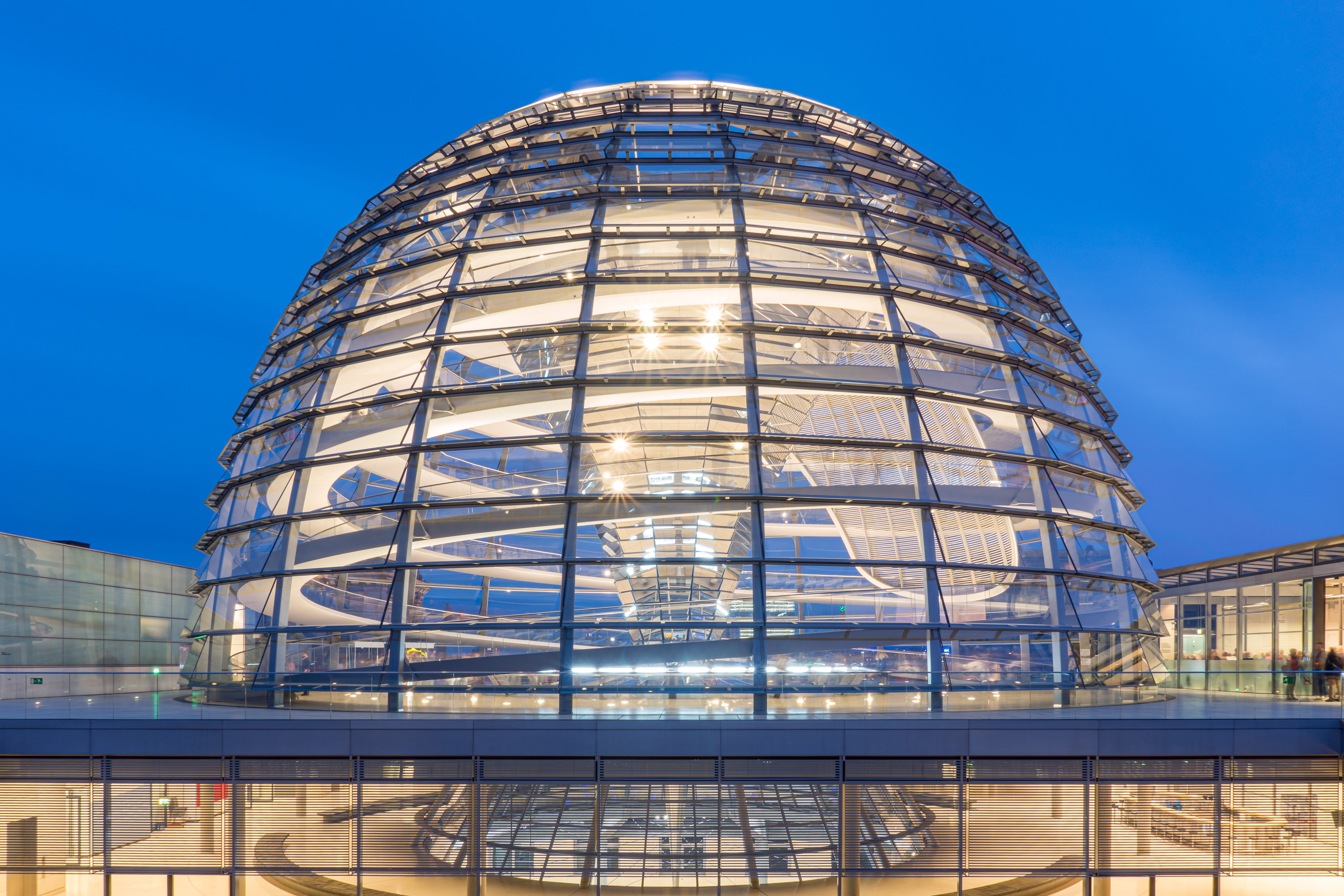
Take Norman Foster’s Reichstag intervention, arguably the most exciting and symbolic piece of government architecture today. Or the Pompidou Center, which you may or may not like, but it undeniably moves and inspires people.
Even Thomas Heatherwick, known for projects like the NYC Vessel, has called for an end to boring architecture. But his critique is about uninspired design, not modern architecture or creativity itself.
Ultimately, reducing architecture to a matter of style rather than creation kills its very essence. It turns architecture into an exercise in pretension and vanity rather than progress.
H.